
Community-Funded Journalism: The Numbers Behind Our Top 2025 Stories
Four of our top 5 local news stories in 2025 came from community-funded journalism partnerships. Here’s what the data tells us about solutions journalism that resonates.
Taking a look at the pattern in our most-read stories of 2025
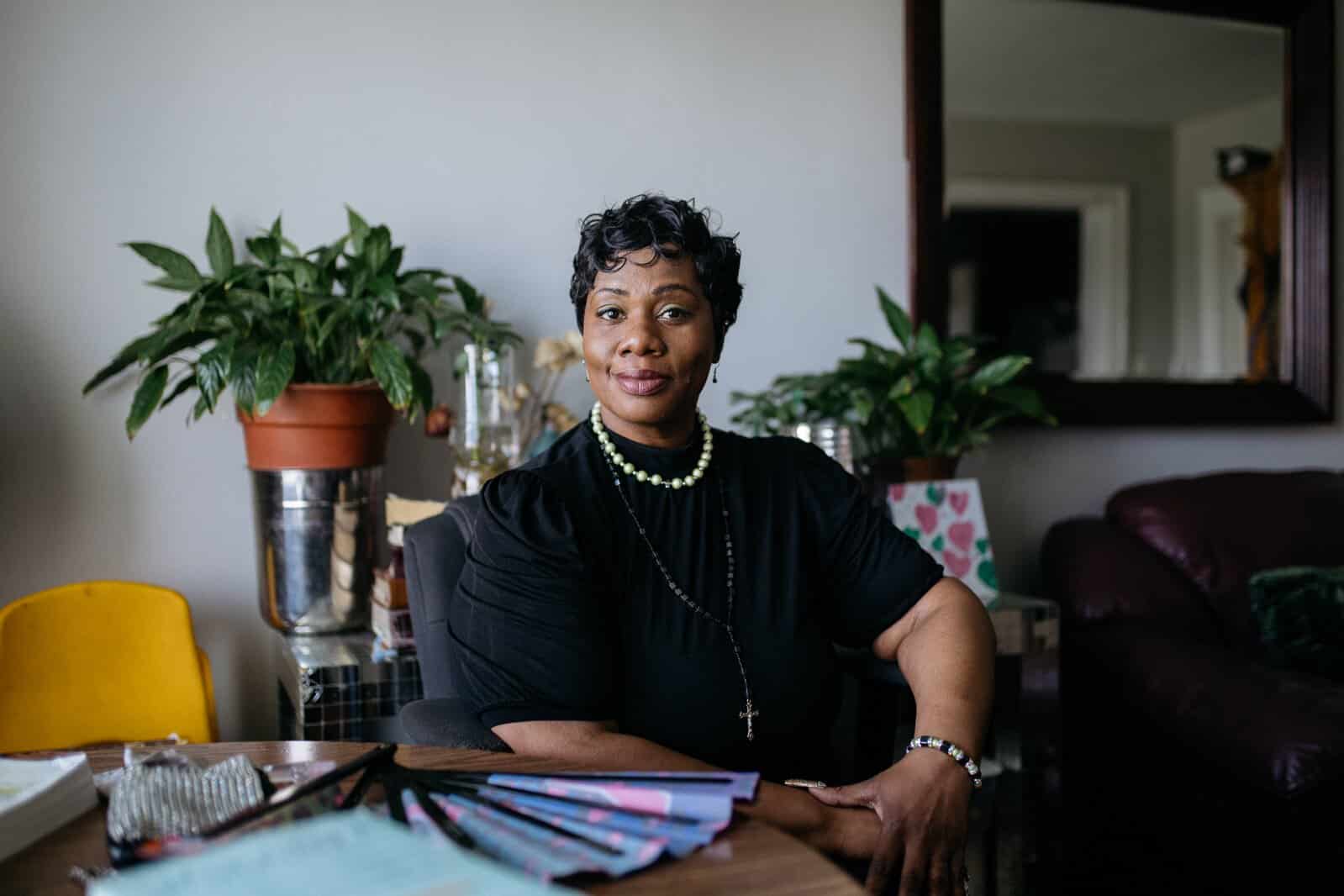
Photography by Steve Koss.
At Issue Media Group, we’re always evaluating what makes solutions journalism effective in local communities. Within IMG, I’m the one looking at what the data and our analytics might be telling us to share and inform our editorial teams. While our journalists are out covering communities, we are looking at what readers are actually engaging with – what they’re voting for with their clicks and time. There’s usually a narrative thread in the numbers if you know where to look.
When we pulled our Top 5 Stories for 2025, something jumped out: Four of the five were part of underwriter-supported series. Not ads. Not sponsored posts. Deep, ongoing journalism funded by partners who care about specific community issues.
The Top Community Journalism Stories from 2025:
Soapbox (Cincinnati region) – 26K views “Once considered country, this town is the fastest-growing city in Hamilton County.” Part of the First Suburbs—Beyond Borders series, supported by the Seasongood Foundation, Hamilton County Planning Commission, and the First Suburbs Consortium.
Metromode (Detroit region) – 12K views “Living on couches, in hotels, or in cars, many in Oakland County experience “hidden” homelessness.” From our series supported by the Oakland County Region L Regional Housing Partnership.
Second Wave (Southwest Michigan) – 9K views “A former boarding house in Kalamazoo will come back to life as housing for those currently without a home.” Part of A Way Home-Housing Solutions series, supported by the City of Kalamazoo, Kalamazoo County, the ENNA Foundation, and Kalamazoo County Land Bank.
The Keel (Port Huron region) – 7K views “A peek inside the gang scene in Port Huron and its impact on youth.” From our Voices of Youth series, funded by the Blue Water YMCA.
Here’s what the data is telling us:
When communities invest in covering the issues they’re actually wrestling with – and we have the time and resources to do it right – readers show up. Readers don’t see each story as a solutions journalism type of story, but they understand it as a story that feels good, identifies a problem, and shares someone’s way of working toward a solution.
These community journalism partnerships are how we create vital journalism that actually moves communities forward. These aren’t puff pieces. They’re hard looks at housing crises, youth challenges, and rapid change. But they’re the stories communities need, not just the stories that are easy to cover on a daily news budget.
That’s the model that works. Not every story needs a funder. But the ones that tackle complex, ongoing community challenges? They need sustained attention. And when we can provide that through the right partnerships, everybody wins – especially the communities we serve.
If you haven’t already, I’d encourage you to read one or two of these stories. They’ll give you a sense of what underwriter-supported journalism looks like in practice.
And if you’re curious about how this kind of partnership might work in your community – where stories focus on important but underreported issues and solutions as informed by residents, communities, and caring organizations – reach out. We’d love to explore what’s possible.
John Montgomery
CEO, Issue Media Group
Related Articles

Soapbox Cincinnati wins big at Ohio’s Best Journalism awards
IMG’s Cincinnati team was recognized for their “Health Justice in Action” series.
Is 2026 the Year of the Neighborhood?
At IMG, we have the distinct pleasure of reporting on people making a big impact on their communities. And the truth is, they’re often starting small.
Be wary about ominous encroachments on the First Amendment
We all should remain keenly attuned to the ongoing threat to the First Amendment, and its vital importance should be a place of common ground.