
Behind the headlines: Why we practice solutions journalism
Our reporting focuses on the people and ideas driving progress. Here’s how — and why.
When I met with the folks from the St. Joe Community Health Foundation (SJCHF) in January of this year at their offices in downtown Fort Wayne, I was welcomed by Mark Burkholder and the new director, Matt Smith, who took over a few weeks before. We talked about our backgrounds and the topics that were top of mind for their organization in 2026. We covered a prenatal and infant care network they were supporting as well as immigrant and refugee programs, and a homelessness response program they were piloting.
At the beginning of every year, I touch base with all of our partners. As editor of Input Fort Wayne, I find this is a good opportunity to learn more about their priorities for the new year, hear feedback on our work from the previous year, and, in some circumstances, meet new staff members.
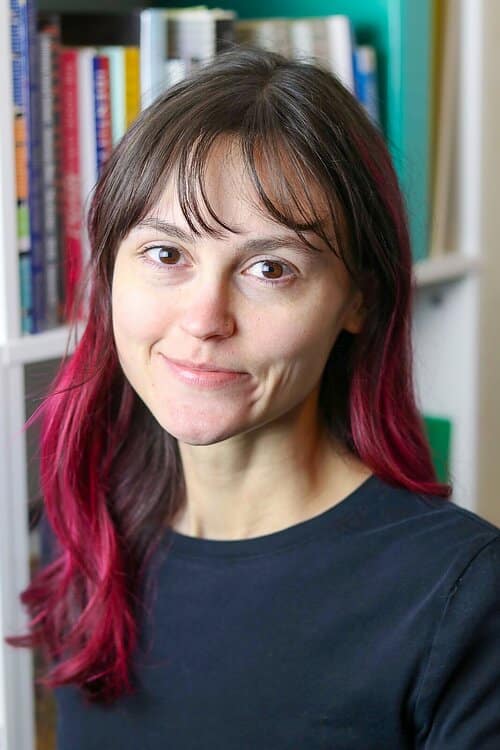
Then, Matt asked me something that redirected our conversation.
“Do these topics seem like topics you’d cover in Input?”
This was a great opportunity to explain how – and why – IMG publications practice solutions journalism. When searching for topics to cover, I’m looking for stories that provide answers to problems my community is facing. These community solutions that SJCHF shared with me are exactly the type of stories I’d cover in Input.
In a typical news story, you might read about a city’s homeless population. How many people are there? What challenges are arising from the growing unhoused population? What problems are they facing? These are all important questions, but if we only asked questions like this, we’d only be exploring the problem.
IMG publications strive to ask questions that look at the solutions to those problems. We ask: Who is addressing these problems? How are they doing it? Why is it working?
Here, Mark and Matt mentioned to me that they were currently running a homelessness response program. While they couldn’t share a lot of information yet, what they did share was that they were piloting a new program, which, if it proved successful, would be rolled out on a larger scale.
An IMG story on a program like this wouldn’t be “good news.” Rather, it would be a thorough examination of a program offering a solution to a problem. Our stories aim to look for responses like this and capture what makes them work, what limits they face, and why they matter. Our work humanizes the people experiencing the problem and gets readers invested, offering a deep examination of a slice of the large, often overwhelming issues facing our communities, alongside the people, programs, and organizations tackling them.
Our reporting follows impact – it’s at the heart of how IMG works. By focusing on how a community is rising to meet its challenges, we provide a more complete picture to our readers, valuable insights for other communities, and a sense of agency that can truly move communities forward.
Author

Related Articles
Finding Common Ground: why we’re gathering in Grand Rapids this fall
On October 28-29, we’re bringing together a cross-section of community leaders to move past the usual high-level theories and get into the real how-to of community transformation
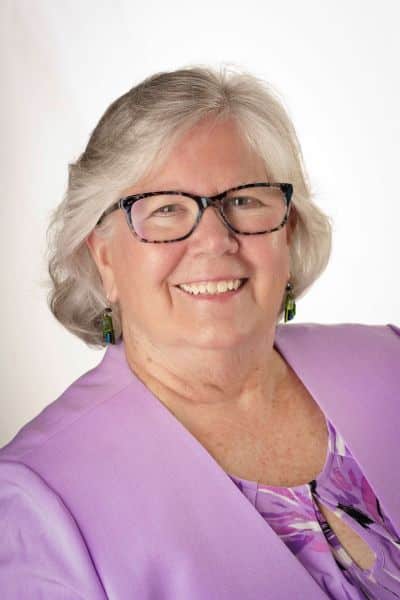
83 Degrees announces changing of the guard
Andrea Daly succeeds Founder and longtime Publisher Diane Egner, who will stay involved with 83 Degrees.
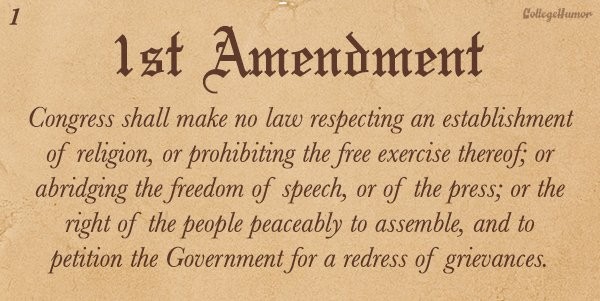
Be wary about ominous encroachments on the First Amendment
We all should remain keenly attuned to the ongoing threat to the First Amendment, and its vital importance should be a place of common ground.