
Getting there: how IMG covers the transportation stories that move communities
Transportation is at the intersection of so many issues we cover. Here’s how we’re reporting on it across IMG—and what’s next.
Transportation means access. Most people don’t live at the center of resources and amenities that make up everyday life. Jobs, doctors, grocery stores, daycares, family and friends, government offices—anywhere we need to go, we have to find a way to get there.
IMG serves communities with a range of transportation trajectories: cities where transit is threaded into the community fabric; regions that were designed around highways, now trying to navigate residents’ evolving needs; rural areas where the availability of medical transportation can determine whether someone sees a doctor.
To show how we cover this issue across those contexts, here’s some of our favorite transportation reporting from this year:
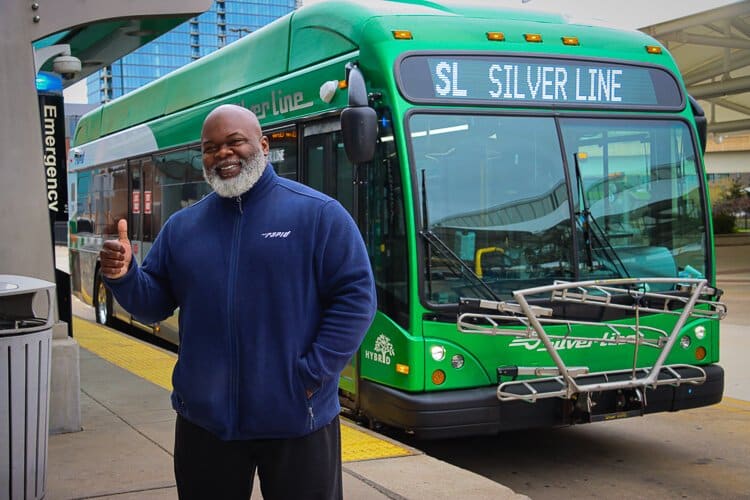
The wheels on the bus go ’round and ’round: Grand Rapids’ Central Station Early Childhood Center
This massive, multisector effort in Grand Rapids exemplifies how transportation is inextricably linked with other issues. It was conceived and designed to support the needs of families while repurposing vacant public space. It’s now providing sorely needed childcare capacity in one of the most helpful locations imaginable for many transit users: right on the way to work.
Moving Fort Wayne Forward series
For the last year, Input Fort Wayne has been digging into how the region can build a more connected and accessible transportation system. The reporting has covered timely developments like an innovative funding partnership between the local transit agency and a major employer, the importance of trail wayfinding, and efforts to improve transit accessibility. But it’s also taken a long view, examining the role of transportation in shaping Fort Wayne; the relationship between density, mobility, and quality of life; and how our earliest exposure to transportation can set the stage for how we literally move through life.
Transportation: An overlooked barrier to mental health care
This piece from our “MI Mental Health” series shows us what public transit looks like in rural communities. You won’t find light rail in Allegan County, but you will find a local agency that serves as a lifeline for residents, connecting them to critical healthcare as well as employment, libraries, grocery stories, and—increasingly relevant as we see the impacts of social isolation—other people.
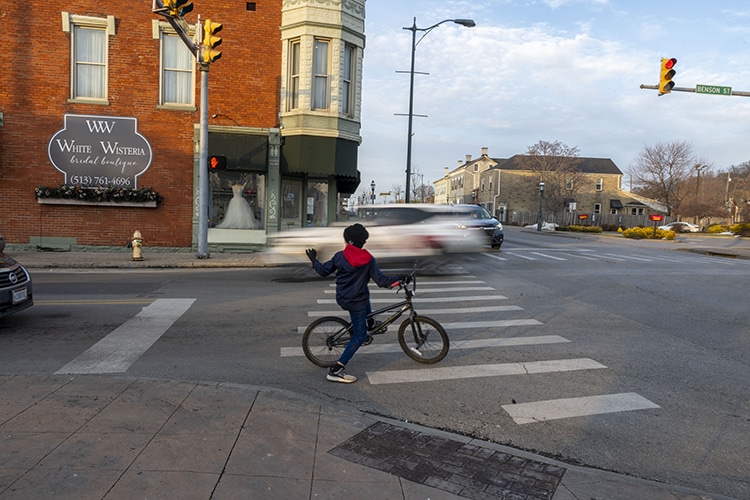
Safe speed: Why towns in Hamilton County are slimming down their main roads
If you don’t have an opinion about road diets, you probably know someone who does. Soapbox Cincinnati tackled this lightning rod topic with a clear-eyed examination: why and how communities are seeking to slow traffic, why it’s so controversial, and the human lives at stake.
Kent County mobility study offers new path to transportation access
Studies can be, well, a bit dry. But Rapid Growth’s reporting brings a deeply human perspective to an inherently granular and complex process. Beyond simply sharing the existence of a new study, this piece will help you understand why the study is important, who shaped it, and, perhaps most importantly, what will actually happen as a result.
“Voices for Transit” series
Okay, this one’s a bonus because it’s not from this year. But it’s awesome body of work that shines a light on so many aspects of transit—and IMG’s deep well of reporting on this issue. A quick skim of the series will show how we cover transportation in relation to personal freedom and opportunity, economic growth, sustainability, education, and more.
What’s Next
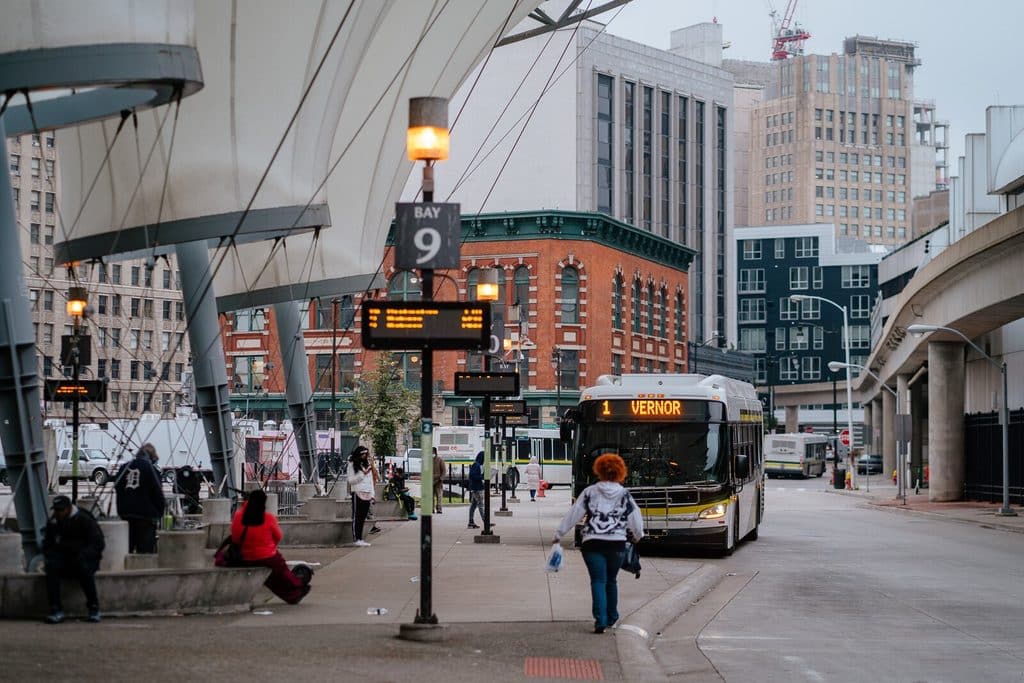
You might notice a gap in these examples: IMG was born in Detroit, and has three publications in Southeast Michigan, the state’s largest population and economic center. So where’s the transportation coverage?
That’s a great question. We have a rich history of mobility reporting stretching from the days when the RTA was a mere dream. Our Southeast Michigan publications have covered everything from pedestrian safety and bus system improvements to EV infrastructure and Detroit’s future as a center of mobility.
But the resources for this kind of reporting have dwindled in recent years, and the regional dialogue around transportation has faded from the forefront. Now, we’re actively working to grow our transportation reporting capacity in Model D, Metromode, and Concentrate.
If you’re part of an institution, organization, or employer with a stake in the future of Southeast Michigan, I’d love to talk to you about how we can partner to tell powerful stories, grow public understanding, and build momentum for what’s next in regional mobility. (I can also share how we help partners reach new audiences and elevate their profiles!) Reach out to me at hayley@issuemediagroup.com.
Related Articles

Behind the headlines: Why we practice solutions journalism
Our reporting focuses on the people and ideas driving progress. Here’s how — and why.
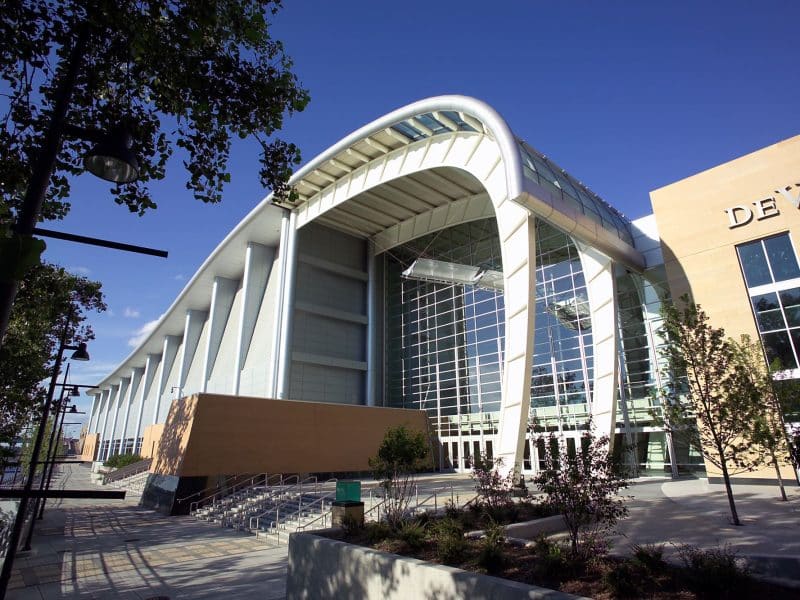
Finding Common Ground: why we’re gathering in Grand Rapids in 2027
Next fall, we’re bringing together a cross-section of community leaders to move past the usual high-level theories and get into the real how-to of community transformation

83 Degrees announces changing of the guard
Andrea Daly succeeds Founder and longtime Publisher Diane Egner, who will stay involved with 83 Degrees.