
Is 2026 the Year of the Neighborhood?
At IMG, we have the distinct pleasure of reporting on people making a big impact on their communities. And the truth is, they’re often starting small.
At IMG, we have the distinct pleasure of reporting on people making a big impact on their communities. And the truth is, they’re often starting small. Like, on-their-own-block small.
We’ve seen firsthand how neighborhood-level efforts can spur transformation beyond their initial borders. And we love reporting on those stories, because they’re the kind of stories that can inspire action and provide a blueprint for people in other communities.
Some examples:
Detroit: a microcosm of neighborhood power
(Melinda Clynes)
“Resilient Neighborhoods” is a long-running Model D series covering community-building in Detroit neighborhoods. Launched in partnership with the Kresge Foundation in 2020 and with a special emphasis on the efforts of Community Development Organizations (CDOs), the series is a perfect illustration of neighborhood capacity for progress.
In fact, as I perused the body of work for this post, I was struck — despite my own starting premise — by just how fully neighborhoods are tackling the big issues in their own backyards. The series has explored how neighborhood-level organizations are supporting housing stability, youth development, climate resilience, social justice, community health, small businesses, outdoor spaces, food security… and the list goes on.
To get a sense of what Resilient Neighborhoods looks like, and what resilient neighborhoods look like, check out these stories:
- Stabilizing Detroit’s neighborhoods, one house, one family at a time
- Reviving Detroit’s Regent Park neighborhood
- Seniors A Go-Go keeps Brightmoor seniors engaged
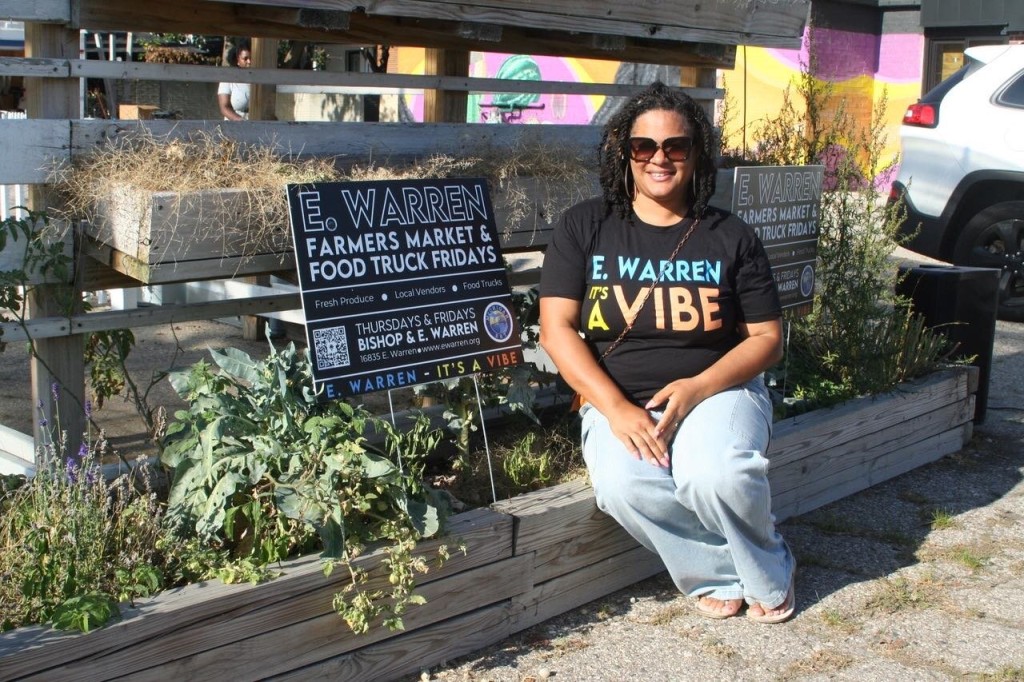
- E. Warren Farmers Market provides a pathway to growth for small businesses
- These east side groups are helping to reimagine sustainability in Detroit
On the Ground with local residents
The “On the Ground” concept arose when our readers and funders alike saw the need for more intimate, embedded coverage in specific communities. The series provides solution-oriented coverage that engages residents in shaping coverage about their neighborhoods while improving outsiders’ understanding of those communities.
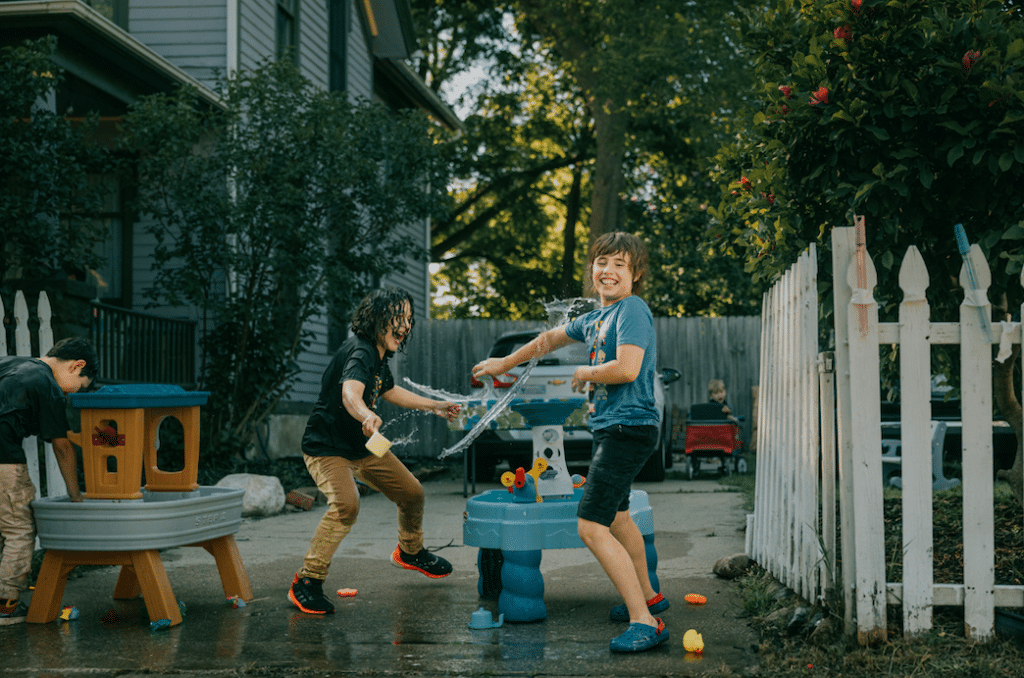
We’ve run On the Ground programs in Ypsilanti, Muskegon, and Fort Wayne, among others. One to watch right now: On the Ground in Flintside, where the program relaunched last year with support from the Ruth Mott Foundation. I’m loving stories like:
- A Village in the City: How Ubuntu is Powering Civic Park’s Next Chapter
- Flint Alliance for Immigrant Rights rallies Flint to oppose ICE partnership
- In Pictures: Flint comes alive with summer celebrations
Is 2026 the Year of the Neighborhood? (Yes.)
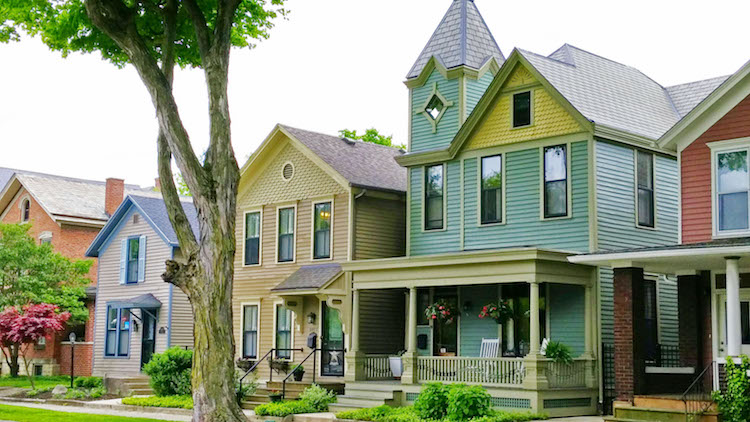
There’s perhaps no better demonstration of IMG’s commitment to covering neighborhoods than a new effort out of Input Fort Wayne. Editor Brittany Lantz declared 2026 the “Year of the Neighborhood,” kicking off with a love letter to the neighborhoods of Fort Wayne.
Over the course of the year, Input will dedicate coverage to Fort Wayne’s mosaic of neighborhoods in a new, intentional way. The goal is to spark inspiration, introduce readers to neighborhood leaders, spotlight progress, and show how things actually get done at the hyperlocal level.
A few hours to the south, Soapbox Cincinnati will launch its own “Resilient Neighborhoods” series, building on a history of outstanding neighborhood reporting. Some examples:
- This inclusive Cincinnati neighborhood thrives on people power
- Grow your own: These food desert neighborhoods act to bring healthy fare to their communities
- Long lives, well lived: What neighborhoods can do to increase life expectancy
- The Green City: How one neighborhood is creating a model to fight climate change
When it comes to big issues, big policies matter. Big money matters. But we see every day how people aren’t waiting around for the best policy or an influx of investment. They’re taking charge of their own block, taking care of their own neighborhoods, and showing us all how communities move forward.
Lantz’s love letter drives home this truth:
“The neighbors of Fort Wayne are the type to show up and put in the work for one another. They create networks, dream up events, and embrace mutual aid like second nature. They solve problems… And that spirit is more critical than ever. We’ve seen and experienced a lot of hardship across the country recently. But we’ve also watched how people show up: organizing in their communities, protecting schoolkids and seniors alike, making sure families are safe and fed. When it feels like national policy is not helping, or is actively harming, it turns out that our neighbors are our haven, our ears to the ground, our safety net — and we are theirs.”
So keep an eye on our neighborhood coverage as it continues to shine a light on the “small” stuff. And if you’d like to see more of this reporting in your community, reach out. I’d love to talk about how we can partner on more of this community-building kind of work.
Related Articles
Issue Media Group publication Epicenter Mt. Pleasant transitions to local editor’s ownership
While the ownership is transitioning, Epicenter Mt. Pleasant will continue to be affiliated with Issue Media Group.
Soapbox Cincinnati wins big at Ohio’s Best Journalism awards
IMG’s Cincinnati team was recognized for their “Health Justice in Action” series.
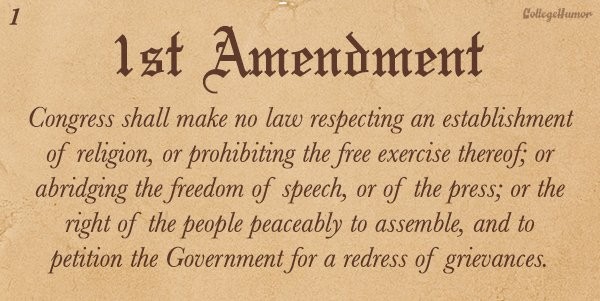
Be wary about ominous encroachments on the First Amendment
We all should remain keenly attuned to the ongoing threat to the First Amendment, and its vital importance should be a place of common ground.