
The GOAT with the Nikon: Inside the unfiltered life of Fran Dwight
Issue Media Group works with hundreds of independent journalists across its network. Here, meet Fran Dwight, Second Wave photographer and newly named Community Medal of Arts award recipient, who channels her introverted insecurity into a fearless, community-rooted body of work that captures Kalamazoo with honesty, empathy, and decades-deep artistry.
Editor’s Note: All photos were taken by Fran Dwight unless otherwise noted.
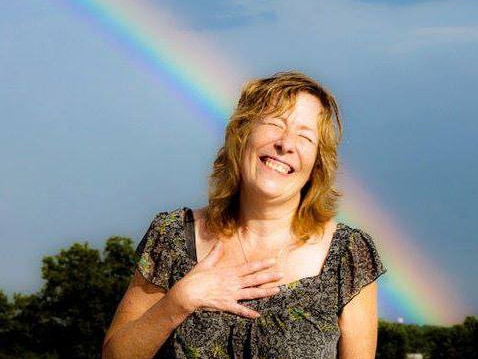
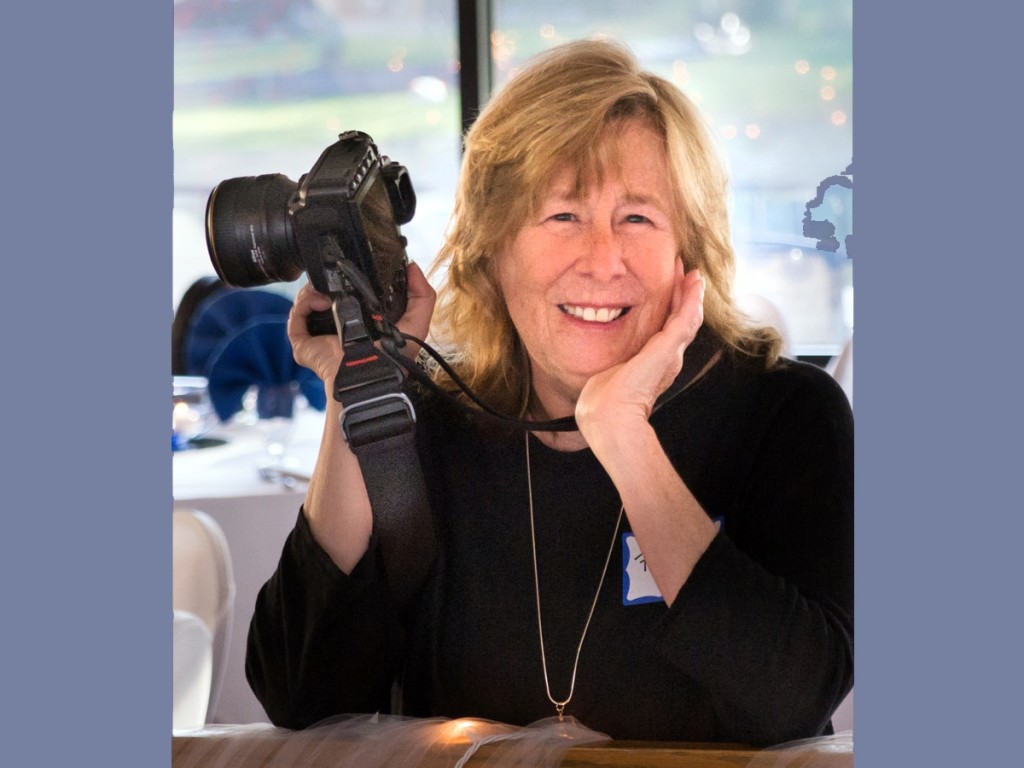
Fran Dwight says she’s insecure, an introvert.
“My introversion is a lack of small talk. I cannot, I cannot, do small talk. Niceties. I never learned those things. So, just shooting the s*@# is not my thing,” Dwight says with a laugh.
But when she’s got her camera, shooting the life around her, Dwight knows what to do and what she wants.
She can also be open, honest, and blunt about what she wants. Near the end of our interview, she says, “So you might want to move this to the front of the article — the camera really solves the insecurity part for me. Because I know the camera. I know what I’m going for. I know what I’m doing. There’s no ifs, ands, or buts about it.”
“You know, I feel I am finally at that point in my career that I feel real confident to be put into any circumstance and get the goods.”
After her approximately half-century of shooting, the Arts Council of Greater Kalamazoo is awarding the Community Medal of Arts to Dwight Dec. 9. Also, her favorite photos will go up at Sarkozy’s Bakery during the Art Hop of Dec. 5, and the Kalamazoo Valley Museum will host an exhibit of her photos in “Edison: Inside Out” through January.
This is all on top of receiving El Concilio’s Guillermo Martinez MEMOism Award in 2025 for advocacy work with the Latin and Black communities.
Full disclosure
I remember first noticing Dwight at every Kalamazoo Blues Festival in the ’90s. I wondered, is she their official photographer? Is she working for some magazine? She’d be there all day and night, shooting both opening acts and headliners with the same enthusiasm.
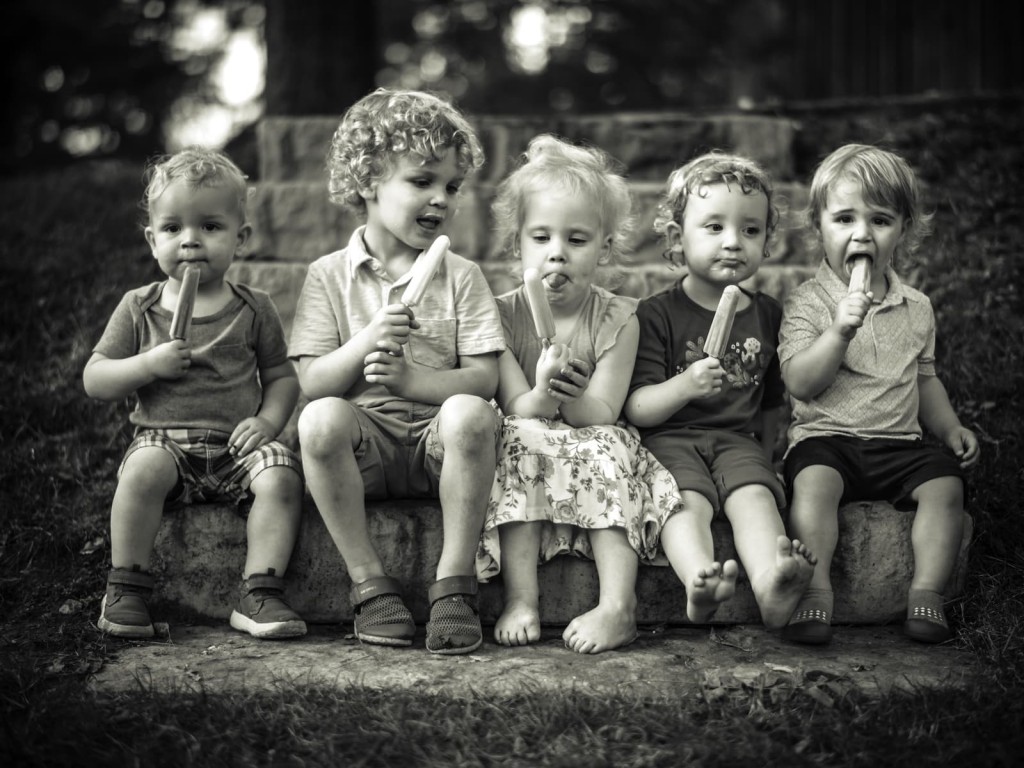
Dwight says she was simply a photographer using her tools to get into places and events. “That’s one way I got access into a lot of things that I wanted to do. It was to offer my services for free so I could go. I was always taking pictures at the Blues Fest because, duh! It’s like a gift — there they are! But I was always photographing musicians, always,” she says.
Her camera became a shield and an excuse to be involved in the community. “If I’m in an environment that’s vibrant and exciting and I have my camera, then I don’t have to talk. And people don’t bother me because I’m busy…. And what they don’t know is, I’m having a great time. A really great time!”
She continues, “It lets me be an extrovert in my introversion. Because I like to be in the mix. My daughter accused me of that, being in the mix. ‘You like to be in the middle of it, don’t you?’ Yeah, I do. But having the camera just makes it easy. ”
Full disclosure: Fran Dwight is a major photography talent who also works for Second Wave. Also, she is the closest I, as a loner freelance journalist, have had to a co-worker.

For most of my work, I usually go into a story alone, relying on me, myself, and I to get it all down. Sometimes I even take a photo or two.
With Dwight on the job, sometimes I have to worry. Uh, Fran is out in Westnedge, in the path of traffic, to get a good shot of the protest. Uh, Fran has wandered off, I assume taking photos of details beyond the person I’m interviewing.
Or she’s at the interview, throwing her own questions into the mix, reacting with sympathy and care to someone’s story — the presence of her honest empathy has resulted in tears from people I’ve interviewed.
Then she goes off into her digital darkroom, and we quickly get the results, which are more photos than we can use, every one a keeper.
I don’t have to worry because she gets the goods. But I wonder, should I be giving more guidance, make sure she knows the angle of the story —
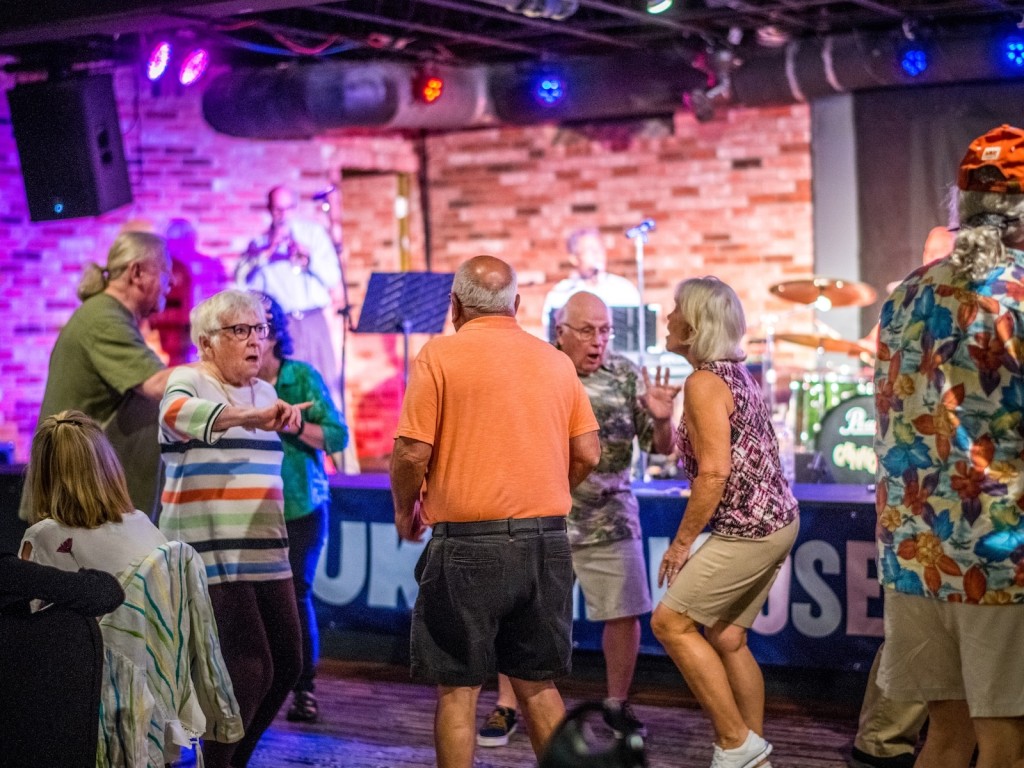
“No. I get really anxious when people provide guidance, mostly because it’s inexperienced people wanting me to create something that I can’t create,” she says. “Either you know how I work, and you like it, or you don’t.”
Second Wave is Dwight’s first and only experience in photojournalism.
Well — that’s not accurate. There was that time in 1968 when she used her mom’s Brownie camera to shoot cops menacing hippies in Bronson Park. She then got on the staff of The Patriot, Kalamazoo’s underground newspaper. More on that, later.
“I went from The Patriot to Second Wave,” she says, laughing. “And there’s a 50-year gap in there!”
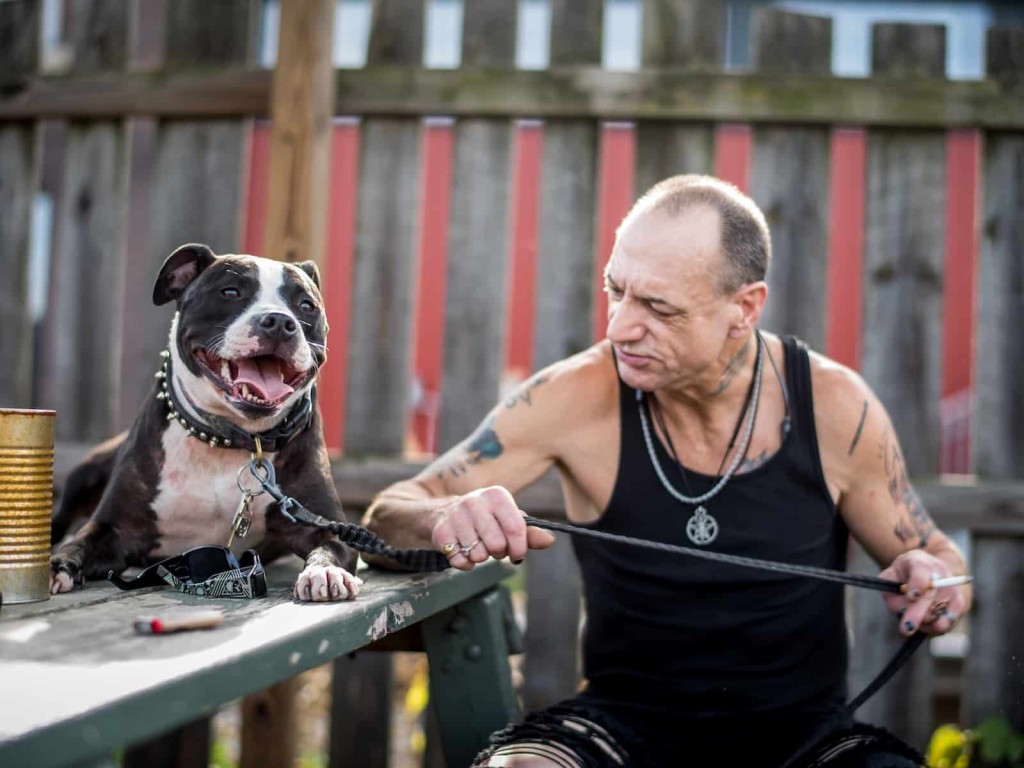
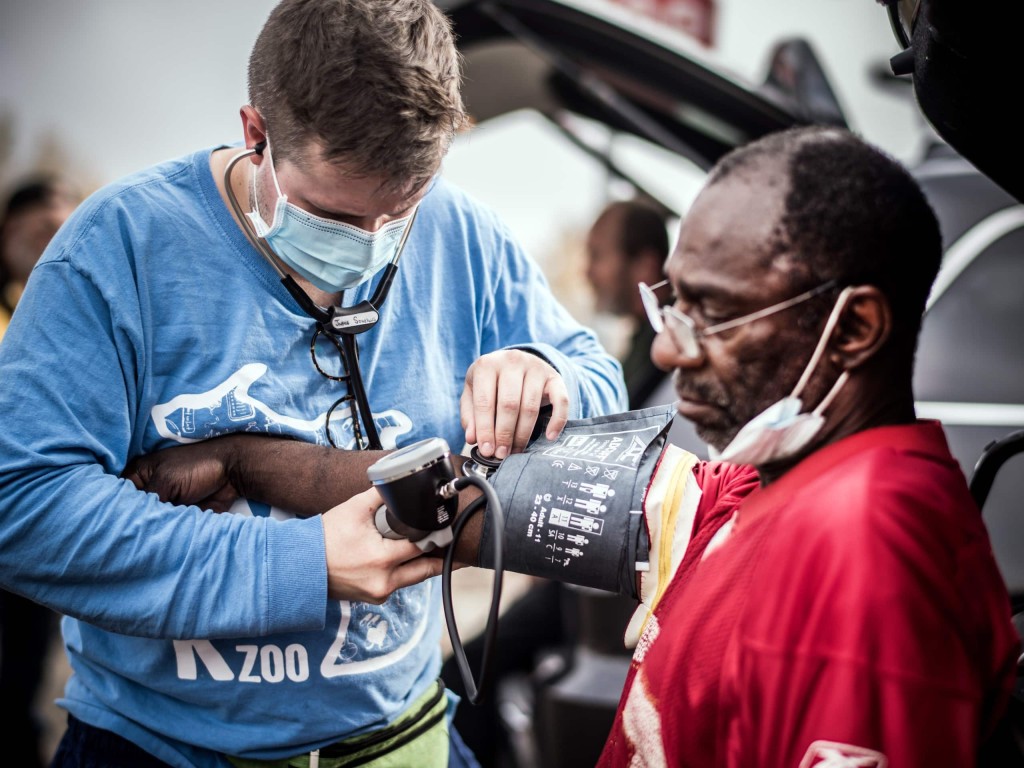
Asked about her favorite gigs, her most memorable photojournalism experiences, Dwight says our coverage of unhoused people, on efforts to bring healthcare to people on the streets, and on the formerly unhoused Yancy Barrett’s efforts to finally get a home, were pretty special to me.”
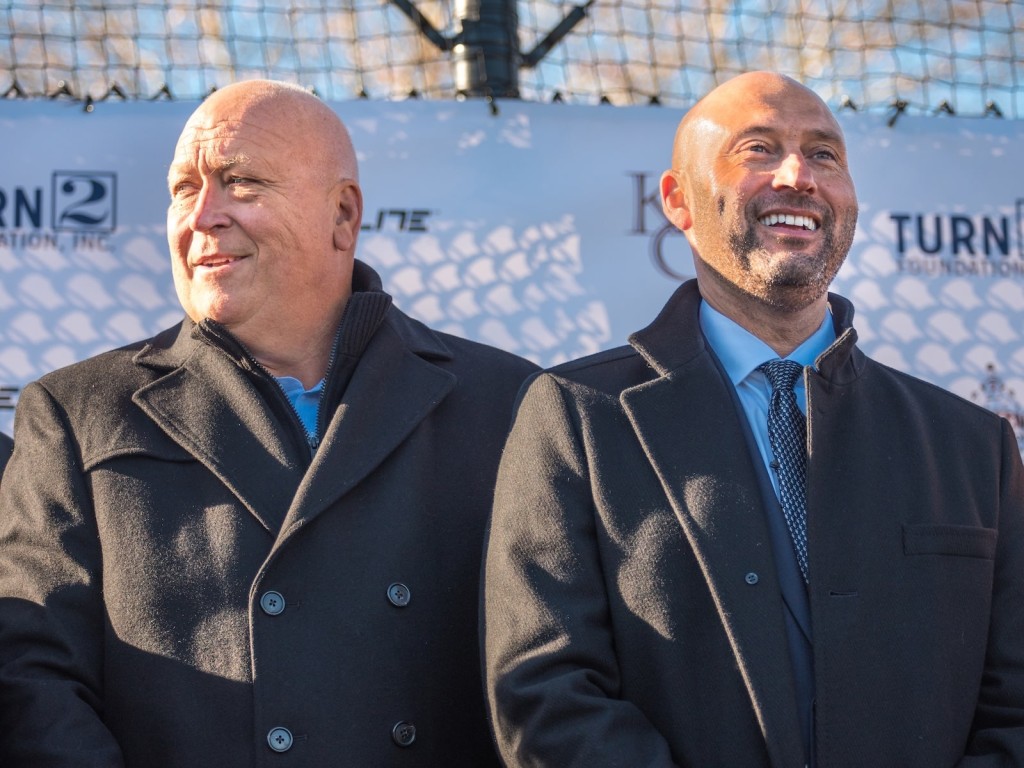
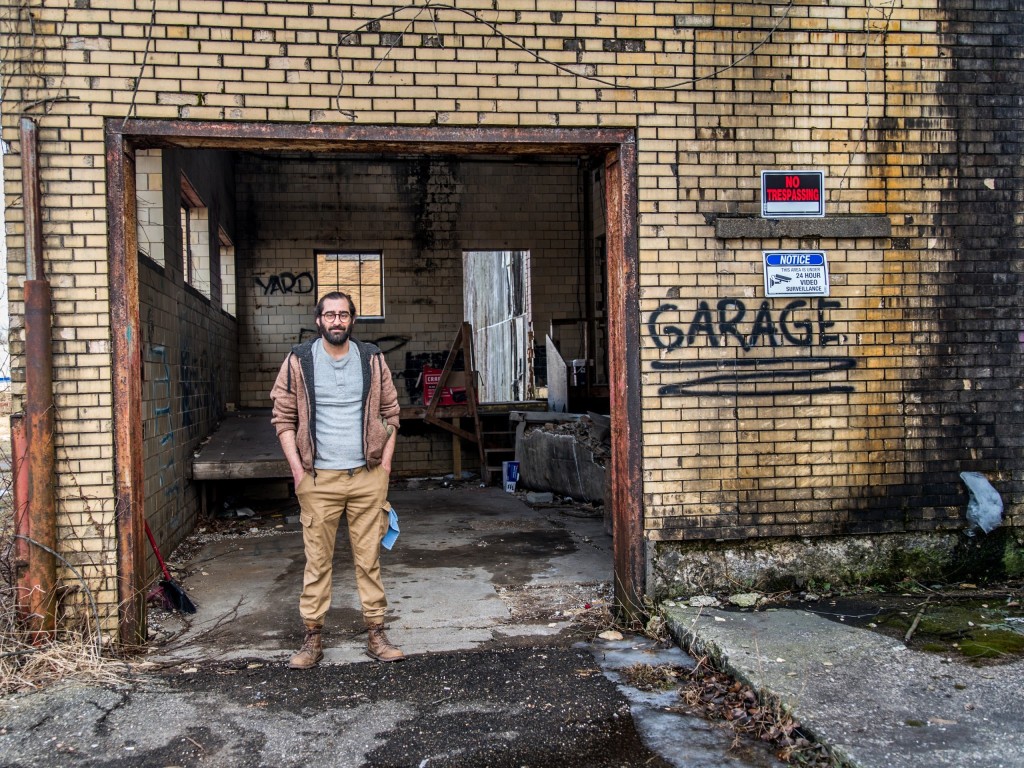
She loved covering fellow Edison neighbor Matthew Schmidt, who was battling trash dumping in the neighborhood. And shooting a guy who had learned to play baseball in Kalamazoo, Derek Jeter. “That was special just because it was Derek.”
Photojournalism takes Dwight out of her “comfort zone,” she says. She gets in situations where people may not want to pose with a smile.
When capturing images of unhoused people, she feels an unease. “It’s my insecurity with people who are struggling. And so I’m overcoming that on purpose. For me, and for them,” she says. “But those stories are… they’re heartwarming. Most of them are heartwarming.”
She brings a care for her subjects to photojournalism that she’s developed as a regular photographer. Dwight is also for hire as a wedding photographer, for family portraits, for local businesses, and for nonprofit organizations.
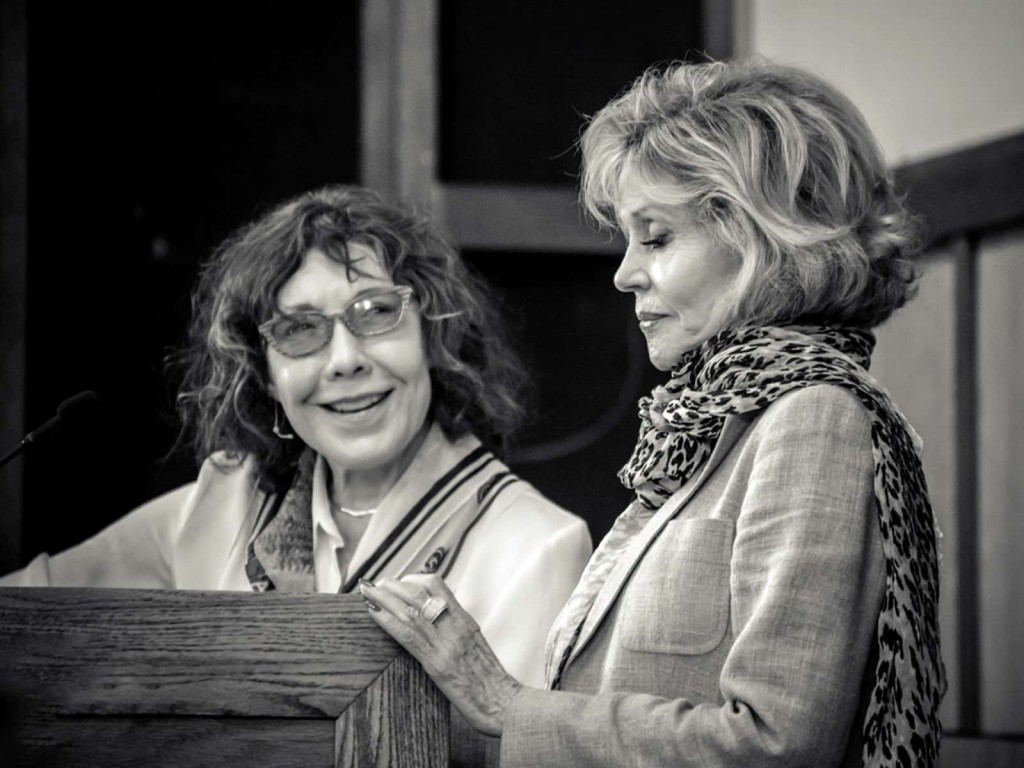
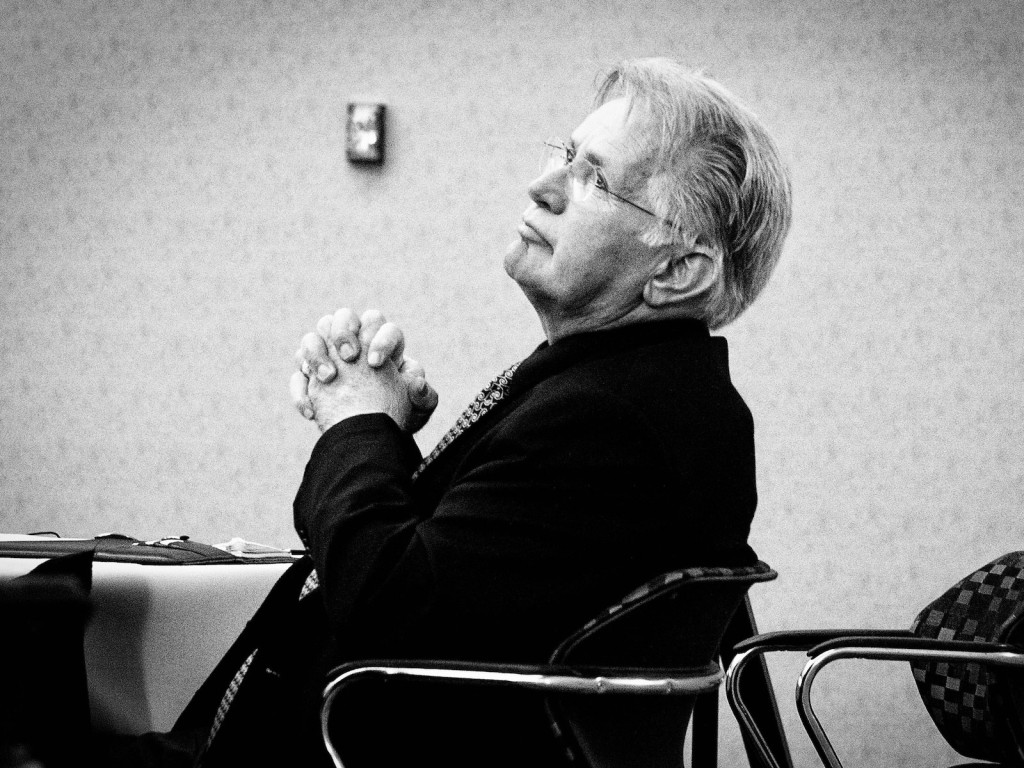
She develops a relationship with subjects that can make them shine for her camera. “Especially my family shoots…. I get to have an hour-long love affair with somebody and walk away. I get to flirt, I get to engage them, I get to do what I can’t sustain on a longer basis with these people that I don’t know,” she says.
“As far as making them shine, I mean, everybody shines so well, they don’t even know it.”
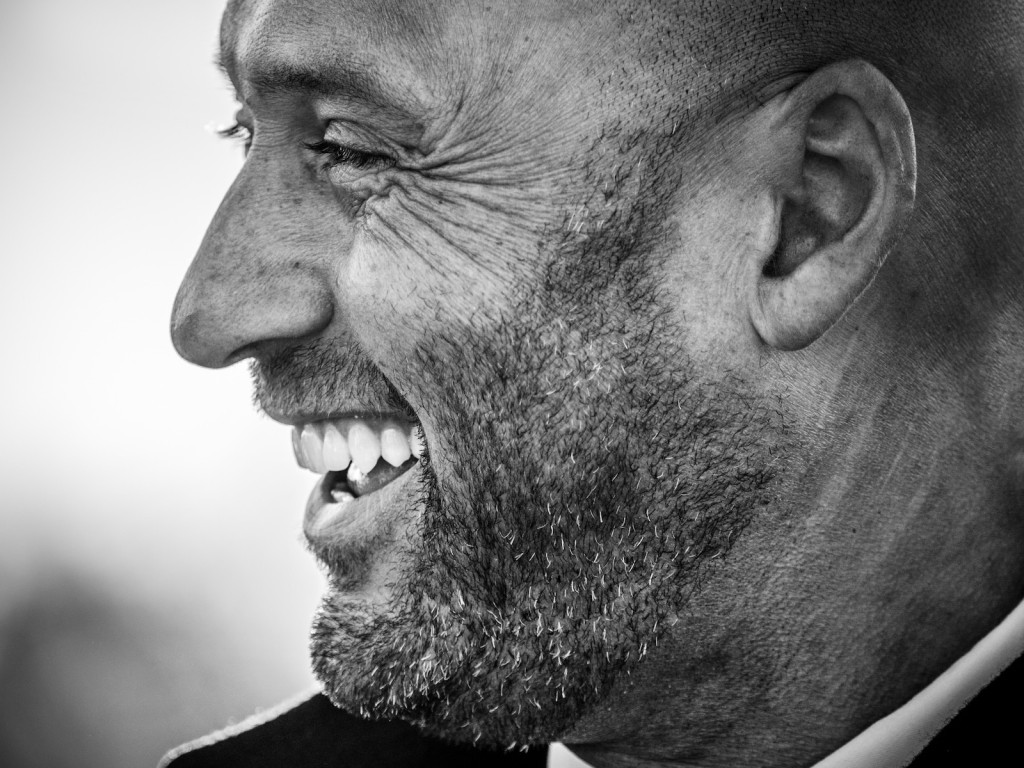
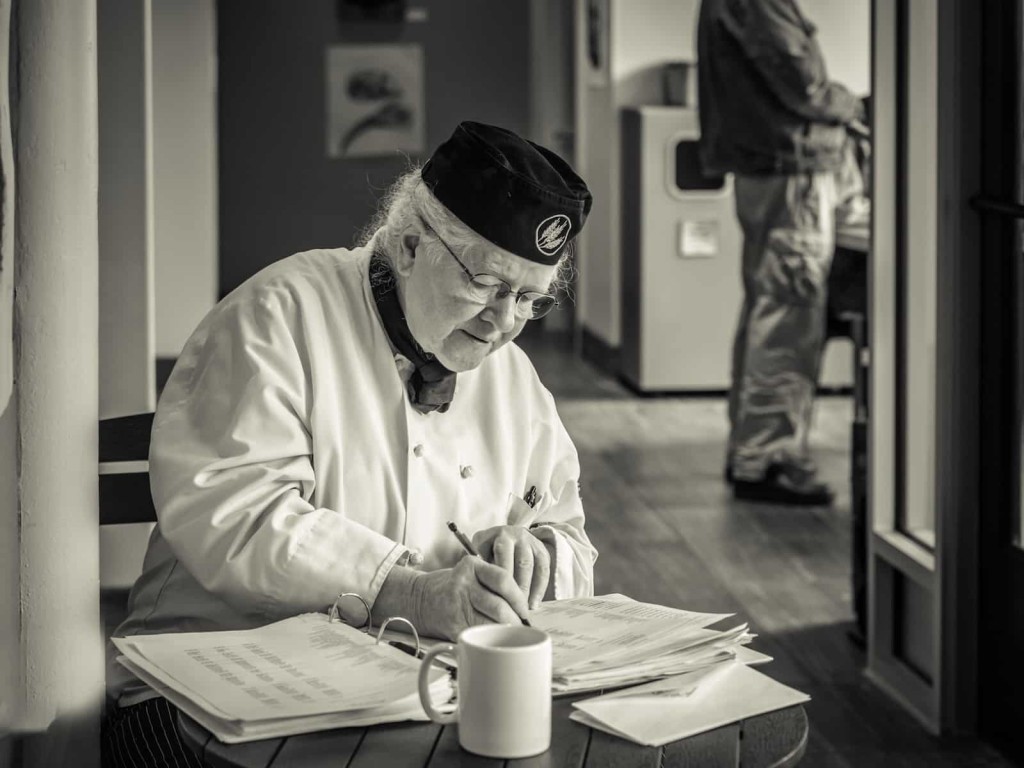
What she’s always looking for is “that moment when there is a connection, when there’s an emotion. That’s what I’m looking for. I’m looking for an engagement with the subject and whatever he or she is looking at or doing. Or interacting with another human, especially. Like weddings. I love weddings because there’s just so much love going on.”
A flower
Dwight was born in Kalamazoo, lived in a house on Phelps Street until she was five.
“And we went from living in a little inner city Eastside house to a big farm, a 70-acre farm. They sort of just put me outside and said, ‘Go have with it,'” she says with a laugh. “It was six people on 70 acres, four little girls in the woods where I took refuge. “
She was the eldest of the siblings, and things were chaotic. Dwight spent a lot of time out in nature, and at the Charles A. Ransom Library in Plainwell — “I just tore through books,” she says. “I bet I read half of the books in that library before I was in fourth grade.”
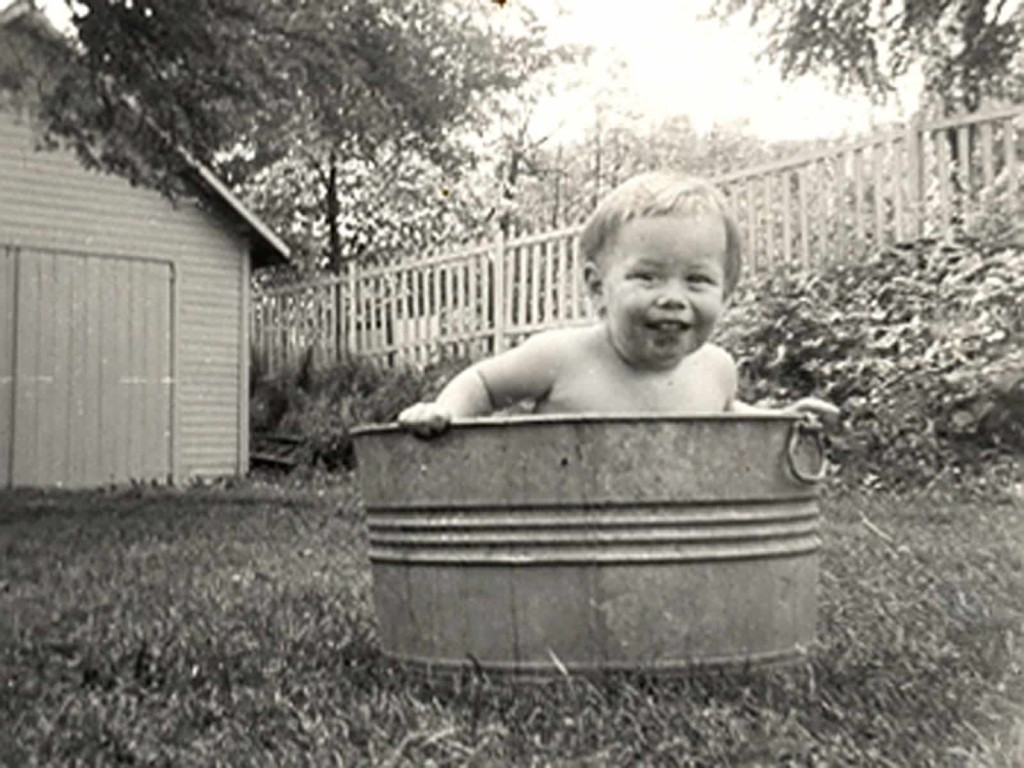
Though not religious, she’d go to church by herself on Sundays. “It was a social thing to do, and my friends were doing it.” She’d then go to breakfast by herself at the local diner. When she was 12, “it was on one of those Sunday mornings that I saw on the TV in the restaurant the moment that Lee Harvey Oswald was killed.”
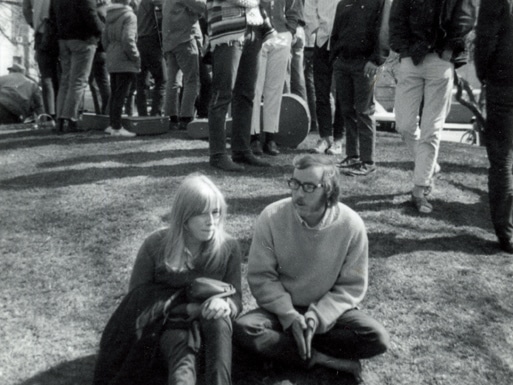
When she was 16, Dwight’s mother took her shopping on the Kalamazoo Mall. It was March 1968. “This young man comes up to me, and he hands me a flower.” He invited Dwight to sing with his friends in the park.
“So, I looked at my mom, and she goes, ‘Go.’ So, I went. And… There was a bunch of hippies sitting on the grass in Bronson Park, playing guitars, causing nobody any grief at all.”
A “Black militant,” in the eyes of the authorities, was coming to town — details are foggy, but she is sure it was comedian and activist Dick Gregory. “And the cops were on high alert. So, they came out to Bronson Park from across the street, where the police station was at the time, in full riot gear and tear gas.”
She had her mother’s Brownie and tried to get shots of the brewing riot. There were some arrests and tear gas, but before things got too dangerous, her mother dragged her away from the park.
“And that really informed my sense of justice. And it just plumped right down in my heart and never let go. How could they do that to us? How could they!?”
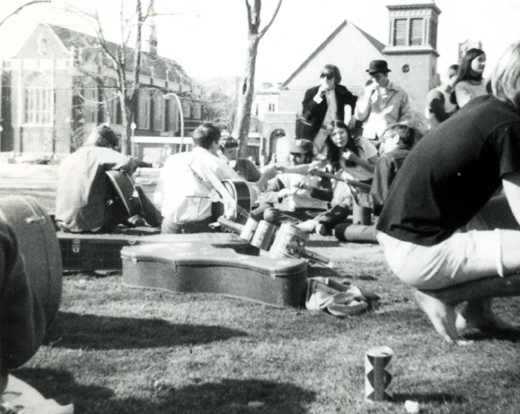
After that, Dwight was a part of the Kalamazoo hippy scene. She brings up photos on her laptop to show “my ’60s and ’70s,” and quickly slides through them.
“This is the father of my birth daughter… That’s my 18th birthday party, I was tripping, and I was on Boone’s Farm Apple Wine, and my mom was there. That’s me at 17, pregnant…. This was when we lived in the Kindleberger Mansion, all of us hippies. That’s my ex. That’s me and my ex. That’s the day Erin (Dwight, her second daughter) was born. That’s Rob Backus… John Sinclair….”
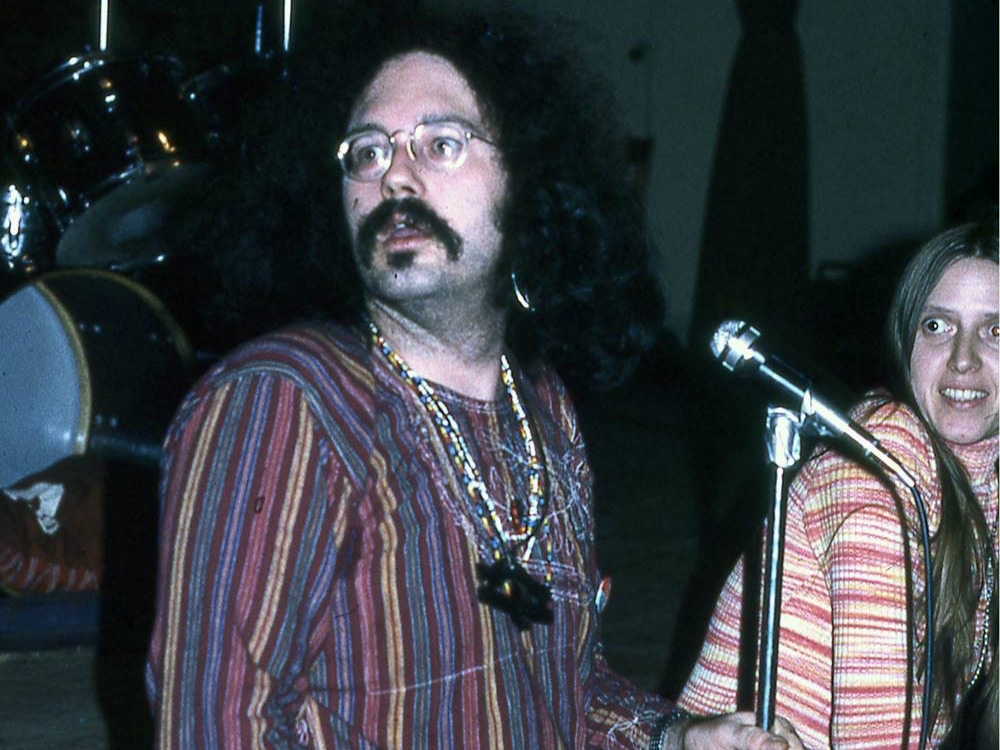
John Sinclair, poet, manager of the MC5, founder of the White Panther Party? Yes, he came here. Dwight was in a small counter-cultural hotbed in Kalamazoo.
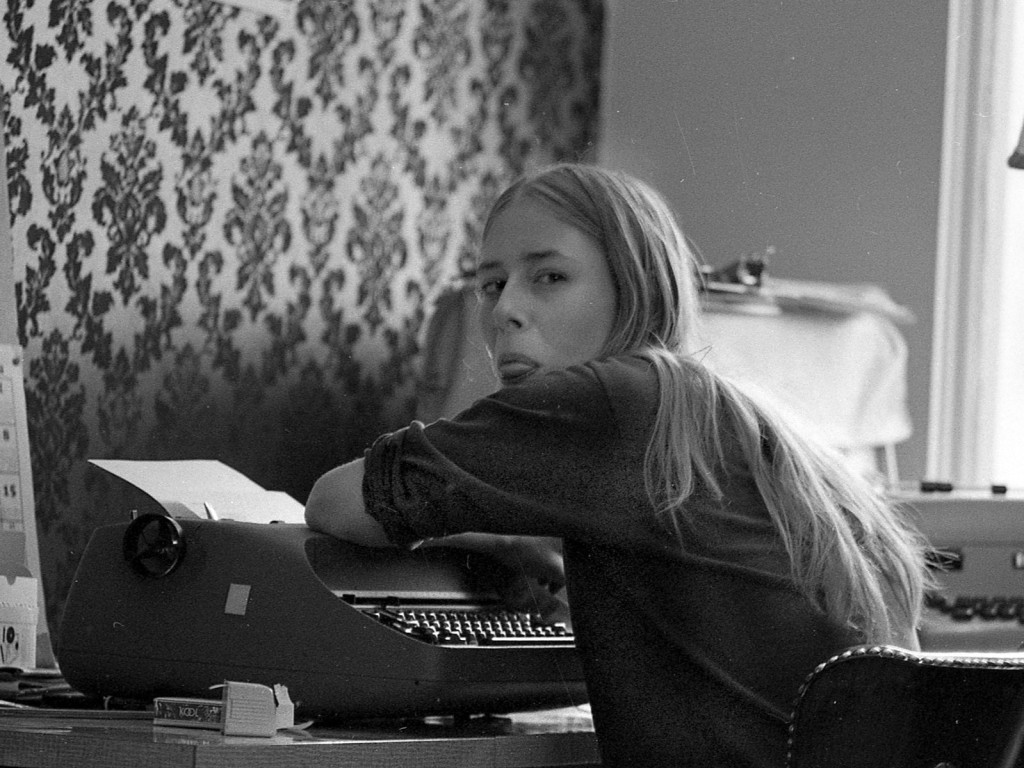
“For a good part of my adult youth, I was part of the underground newspaper collective here in town, The Patriot. This is me typing out stories on our Selectric. And I looked just like Joni Mitchell,” she says. “I never was employed as a cub reporter, but I always wanted to be one,” she says with a laugh.
“Yes, yes, and yes!”
Life, a child, a job, took up Dwight’s time in the late 70s- ’80s, but an obsession for photography grew. She got an associate’s degree at KVCC, studied photography, graphic design, and business. She moved to New York City briefly, worked there in a print shop, and in Kalamazoo, worked at Borgess’ print shop.
Dwight found herself “a single parent with one daughter. Almost always had a darkroom in my bathroom. You know, cover up those windows and put a towel under the door, block the leak of the light.”
In the ’90s, her camera became a good excuse to travel — she went to Belize every year, Wales, Mexico, Costa Rica, El Salvador, Ireland, and the US West. She chased eclipses, got into events to meet Martin Sheen, Lily Tomlin, and Jane Fonda. . .
She stops her flow of memories. “I think we should talk about me being sick,” Dwight says, with blunt honesty.
“In 2021, I had breast cancer, and that was successfully treated. Then, a year ago, almost to the day today, it came back, and it has metastasized into Stage 4 cancer. And so I’m on these preposterously expensive drugs….
“I’m fine now. I’m fine. I’m taking the drugs, and it’s putting everything at bay. I have some challenges, but it’s giving me time to wrap things up in a way that’s very satisfying to me. And I have these shows and the awards, and it’s — it’s all so gratifying.
“It really makes me be present today. All I got is today. And that informs my shooting. I don’t shoot as much anymore because my body is a little bit resistant to movement.”
Dwight had just gotten back from a trip to New York City, and says she was able to walk “all over.”
“It was fabulous! I went with my birth daughter and her adopted daughter. So it was three generations of real daughter, birth daughter, adopted daughter. It was fabulous for us to get to know each other that way.”
She’s reconnected with her birth daughter — “That’s a part of the story I just jumped in with that you don’t know, but when I was 16, shortly after that little picture on the hill (in Bronson Park), I was pregnant, and I placed that child for adoption.
“We reconnected, and it’s been special. You know, it’s been welcome for both of us, and it’s been special,” she says.
Over the past year, I’ve worried. Is Fran well enough to go out on assignments? Does she want to? It seems like she wants to, like she loves it —
“Yes, yes, and yes!” she exclaims, laughing. “That’s the thing — you know, I’m almost 75, and I know how to say ‘no.’ I know when to say ‘no.’ I know who to say ‘no’ to. So, ask away,” she insists.
Some assignments are challenging, some just inconvenient. Drive far out to some farm to shoot old rescue animals? Who else to take portraits of steers, donkeys, and goats at Chubby Goat Acres? “I was resistant to going to Schoolcraft to shoot the goats. And once I got there, I was so happy I was there!”
Goats by the GOAT
Dwight just shows up for the heck of it. A few days before the interview, word got out about a bicycle demonstration, a flash mob on wheels. People on bikes were to ride on Downtown’s bike lanes on a Friday lunch hour. A general call for local photographers to capture the scene also went out.
So Dwight was there. During a group shot, photographer Eric Oliphant introduced her to the crowd as the best photographer in Kalamazoo.
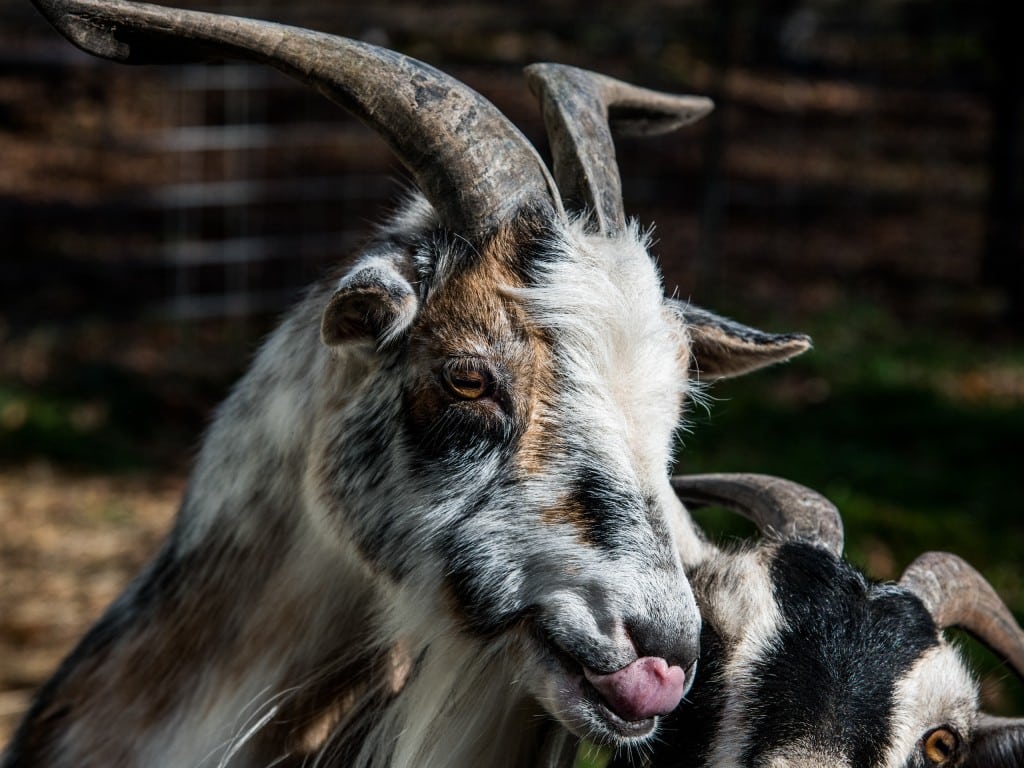
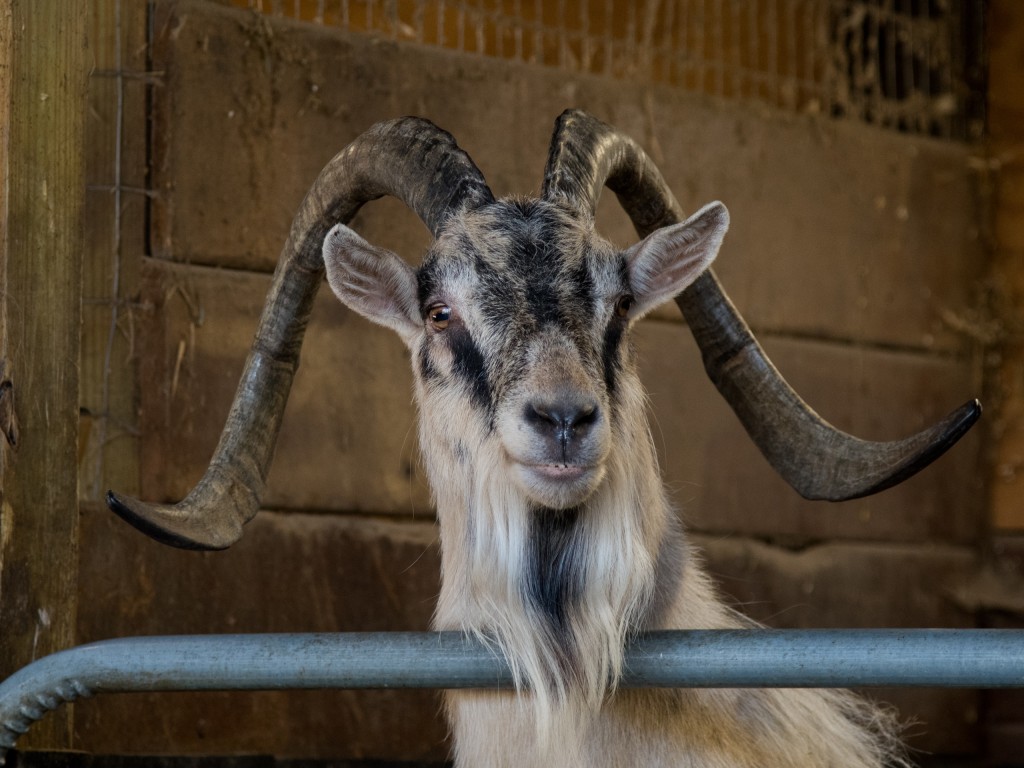
“I think he called me ‘the GOAT,'” Dwight says. “Nothing has given me more pride or caused me more embarrassment than when he did that,” she says, laughing.
Oliphant, who is also Operations Manager and Membership Director of the Arts Council, recalls, “She showed up unexpectedly, a very ‘Fran’ thing to do. She saw something cool online, grabbed her camera, and showed up. She was there before me, stayed later, and in the time I had walked back to my desk and edited maybe 10 photos, she had over 50 edited and published on her website.”
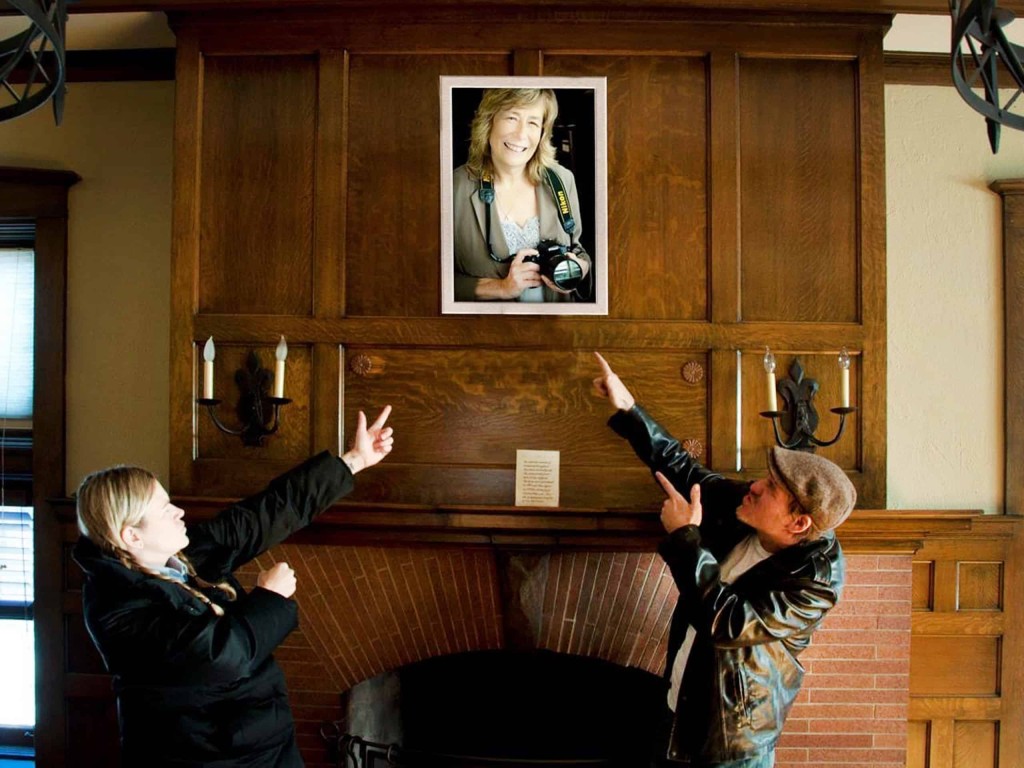
He says, “It’s mind-blowing and a testament to what level of artist she is. People talk about putting in their 10,000 hours, but this is someone who has probably 500,000 hours, and it’s awe-inspiring…. People like to throw around the phrase ‘one of a kind,’ but Fran Dwight truly is. I’m so glad the community nominated her to be recognized as a Community Medal of Arts recipient.”
Documenting community
She may not see herself as a photojournalist outside of Second Wave assignments, but Dwight does a journalist’s work in documenting the life around Kalamazoo.
Dwight works with local nonprofits and institutions, including The Kalamazoo Community Foundation, The Fetzer Institute, and many housing organizations. She’s on the board of Kalamazoo Neighborhood Housing Services, “a dear part of my heart.”
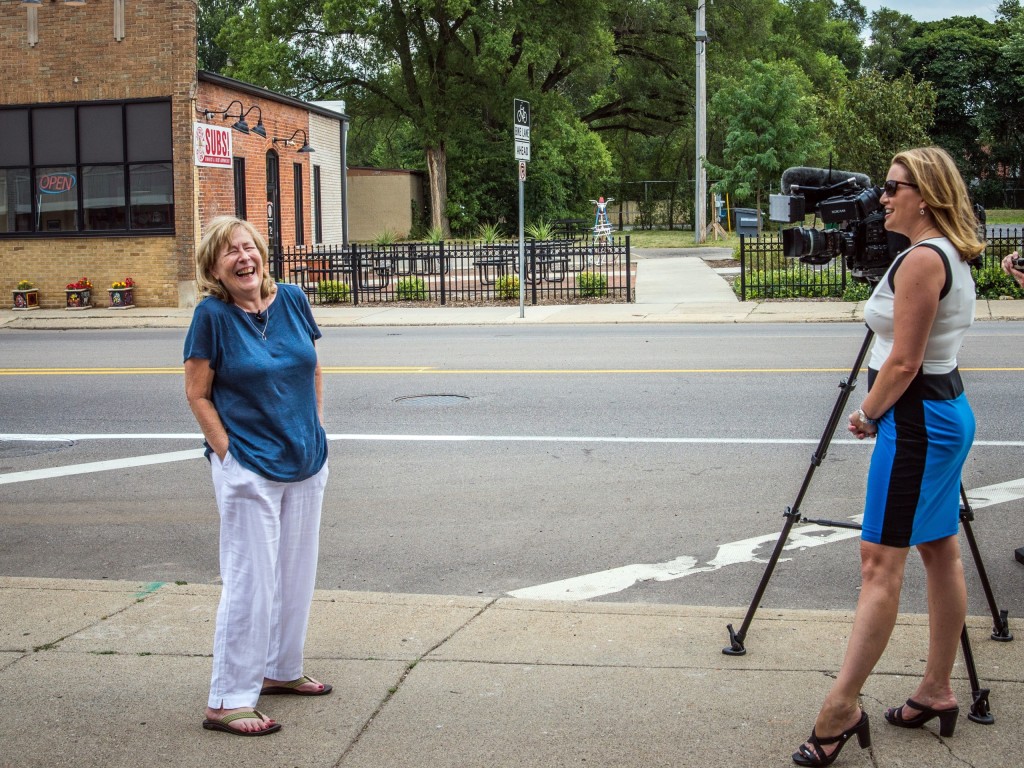
She donates most of her work to housing efforts. She always says yes to shooting people, helping the community, even when she repeats that age has made it “easier to say ‘no’ when it’s necessary.”
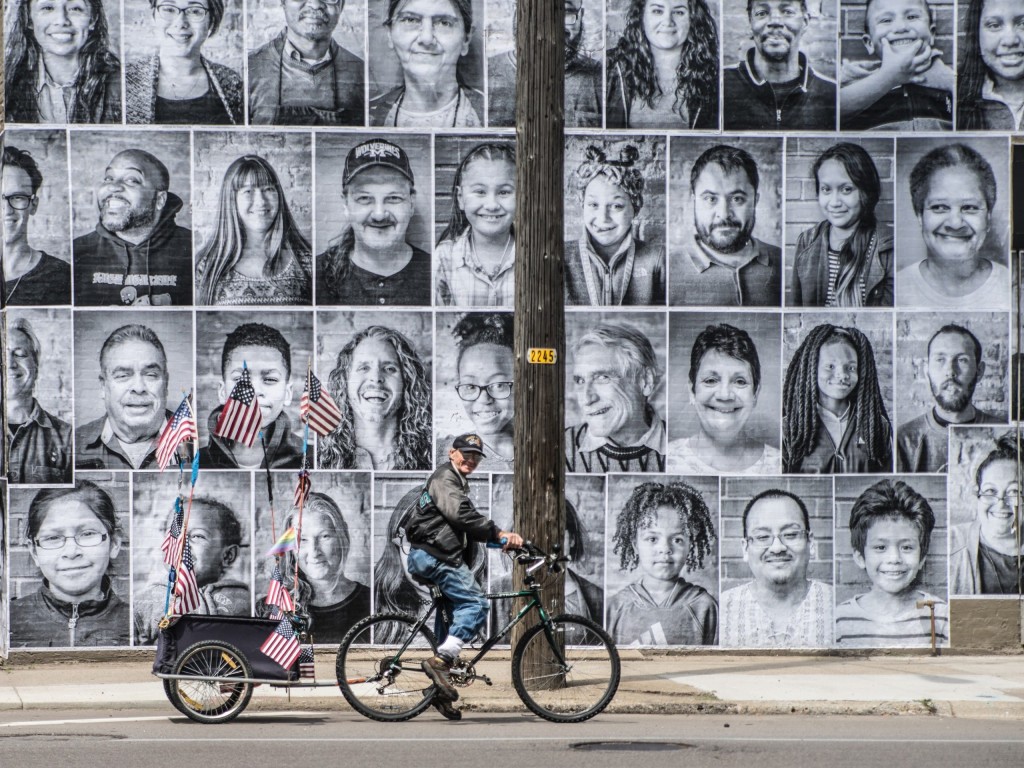
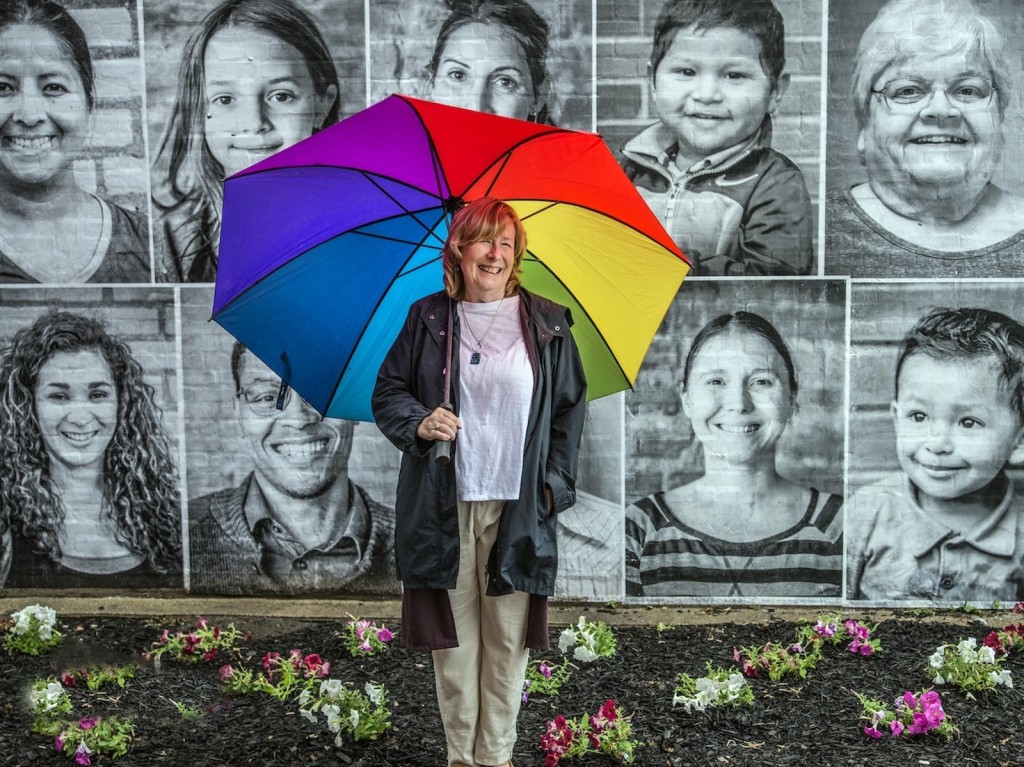
It was an easy “Yes!” when asked if she’d be the photographer for “We Are Edison,” part of the international “Inside Out” project. Conceived of by a mysterious French artist known as JR, “Inside Out” involves combining photography and graffiti to reflect a community. The Kalamazoo Land Bank and project coordinator Anna Lee Roeder knew that Dwight, an Edison resident since 1994, would be the person to capture the faces of the neighborhood.
“The highlight of my professional life was that project,” Dwight says. It involved, simply, faces of the community, on paper plastered on a wall, allowed to degrade over time. “These (projects) are all over the world, and they’re to highlight vulnerable people and vulnerable situations. They aren’t just pretty pictures.”
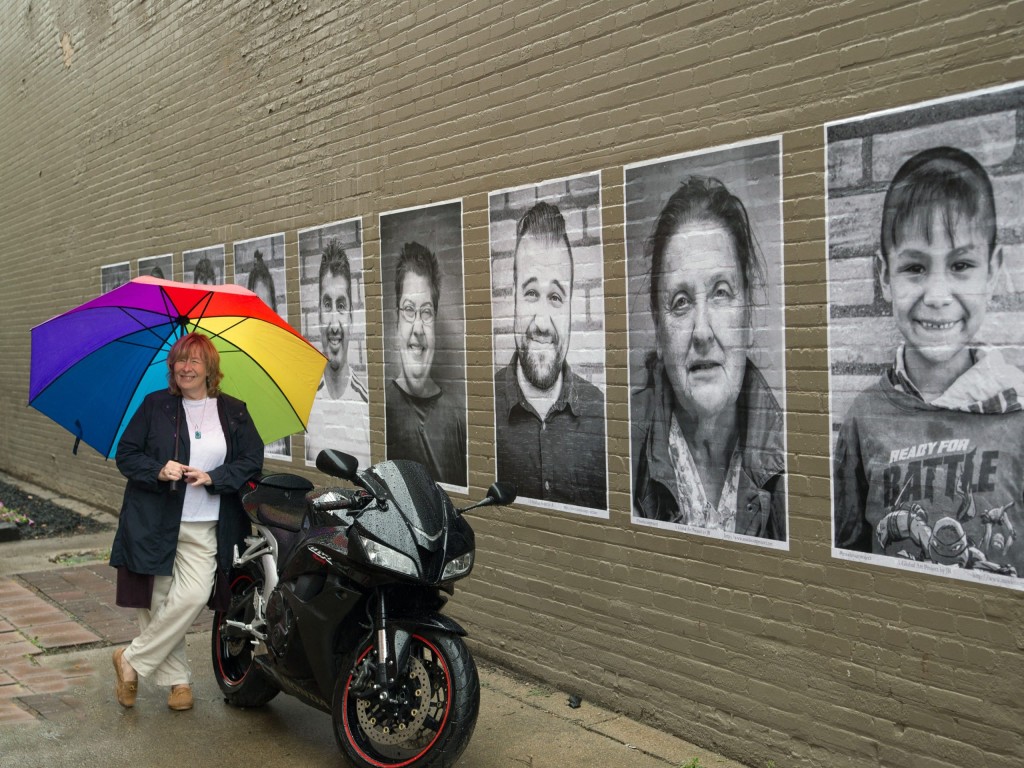
But with Dwight’s take, the photos captured the diversity of the neighborhood and of Kalamazoo. “I’ll take pictures that reflect diversity just because I know we’re short on them — and when I say we, I mean the whole community.”
Whole life at her fingertips
Dwight learned photography during the film age. It’s an expensive and potentially wasteful way to learn a hobby, she says. She has several stories about getting inspired, developing a roll and finding bad shots, or leaving a roll behind in some tropical hotel room.
She loved it when digital finally matched film quality. Her tool of choice is a digital Nikon D850.
But these days, with phones that automatically tweak photos to look their best, it seems that everyone’s a photographer now.
Cell phones “make me mad when they take better pictures than the camera because of their ability to shoot in the dark. But otherwise,” Dwight laughs, “the camera is superior.”
That more people are becoming casual photographers, “on the one hand, I think it’s a great thing,” she says. “On the other hand, none of them ever get printed. And so there’s no real memory of it,” she says.
Maybe some are shared on social media, but otherwise, “people are hoarding their experiences. And I say that because that’s what I’m doing. I’m hoarding images. I want that one, and that one! Oh my God, I gotta have that one! And that one. And I gotta have them all.”
Is it about creating a record of memories? At what point does it become hoarding? Dwight suspects, “It’s the same as parents who kept newspaper clippings in a drawer for their kids. Your kids don’t want them,” she says.

“But that’s another thing I’m coming to terms with at this point in my life, is all the sh*@ in my house I can do without. So I’ve just been chucking everything and just keeping what’s important.”
Dwight has had a website for 15 years, with her photos organized into categories. One can click down into subcategories, individual days of travel or personal shots or professional shoots, families, and weddings.
There are “probably 200,000 images” in each category. “Every one of these is a gallery. Every gallery is filled with images. So my whole life was right there at my fingertips. Everything! In terms of pictures.”
Earlier in the interview, Dwight was flipping through all her memories. “There’s the original Food Co-Op over at North Street. That’s my buddy. That’s me. That’s my friend. That’s my lover. That’s my friend. My husband. There’s The Patriot. My mom. My baby….”
A long life, in photos. Also, a long career.
She feels she’s got this camera business down. “You know, I’m not going in (into a shoot) thinking, oh my god, what if I don’t get it? I will get something. Always. And that’s a real gift to be at that point,” she says.
Dwight isn’t done, but we had to wrap up this interview before we got lost in her photos.
How do we end this story?
“The snappy ending is,” Dwight has to pause a long time, because she’s laughing so hard, “If you pick the cheapest photographer for your wedding, you get what you pay for!”
Author

Related Articles
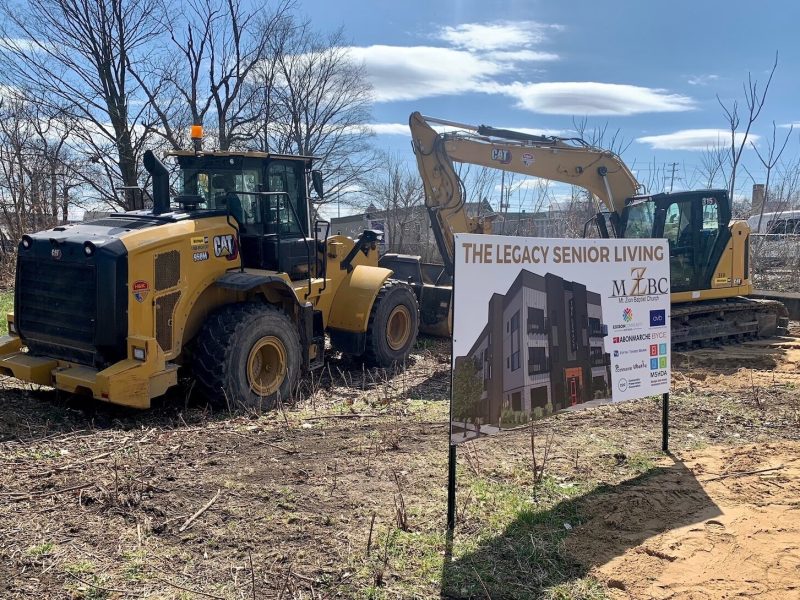
A Portal for Affordable Housing
One Michigan community came up with a unique solution to the affordable housing crunch: An online portal for housing projects seeking financial support. Funding for the Kalamazoo County project comes from a county millage and is available to developers and nonprofit organizations.

An Rx for Children
A program launched in Flint, Michigan, in 2023 helps address gaps in early childhood education and healthcare by providing stipends to pregnant people and infants. Rx Kids has been so successful that it has been expanded to other parts of Michigan.
‘Doing something about it’
A recent story in Soapbox Cincinnati, 'We're doing something about it': How an old community plans for a new start in its third century, offers a lesson plan in revitalization for older-ring suburbs.